In a period where sustainability and environmental responsibility are increasingly emphasized, the damage caused by polystyrene material (EPS) to nature is prompting countries to take legal steps towards alternative packaging use. This compels producers across the continent to reconsider their packaging practices.
The environmental impacts of Expanded Polystyrene, a fundamental material in packaging due to its lightweight and insulation properties, have long been researched, including its non-biodegradability and recycling challenges. This material, requiring a significant amount of energy and resources for production, results in long-term environmental pollution.
The polystyrene ban planned to be implemented across Europe underscores a collective commitment to reducing plastic waste and promoting greener business practices. While various European countries are moving towards restricting or phasing out polystyrene material, France will be the first country to completely ban the use of Expanded Polystyrene (EPS) by 2025, taking full responsibility for the targeted regulations. This ban brings many sectors, especially the white goods sector, to the brink of significant transformation. Manufacturers are searching for ways to redesign their packaging strategies to comply with these evolving standards.
Moving away from EPS requires the restructuring of packaging materials, supply chain, and processes. Restructuring may potentially lead to increased costs and operational challenges. However, this change also presents a unique opportunity for innovation and differentiation in a competitive market environment.
A sustainable packaging alternative: Honeycomb Panel
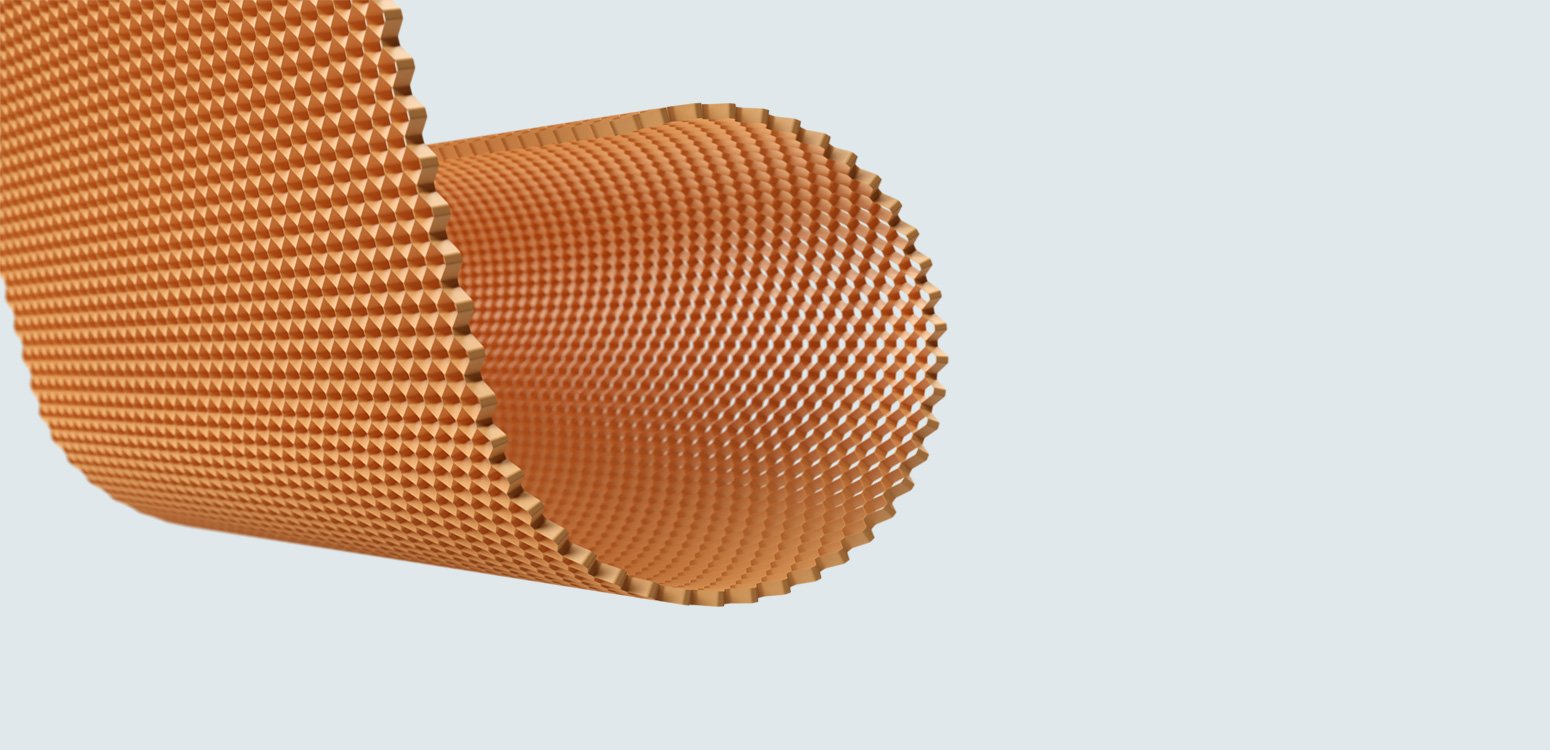
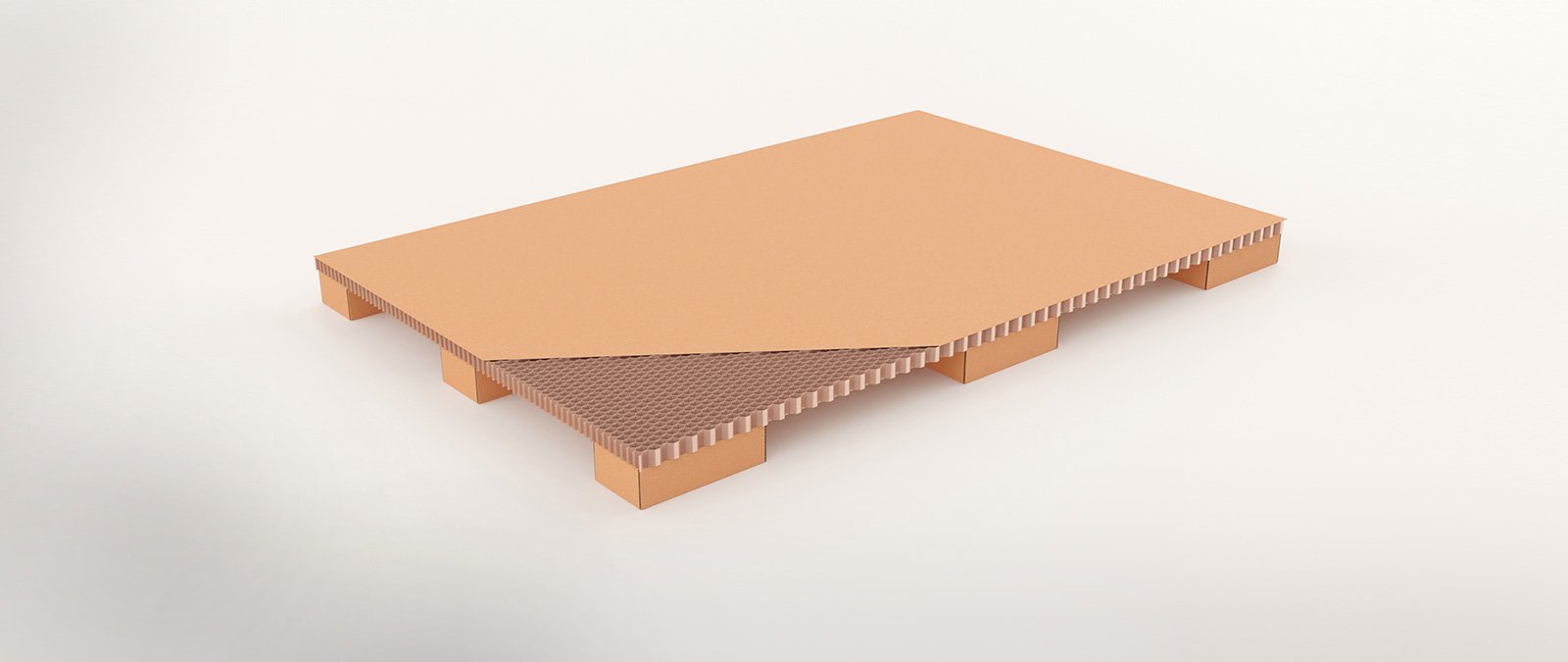
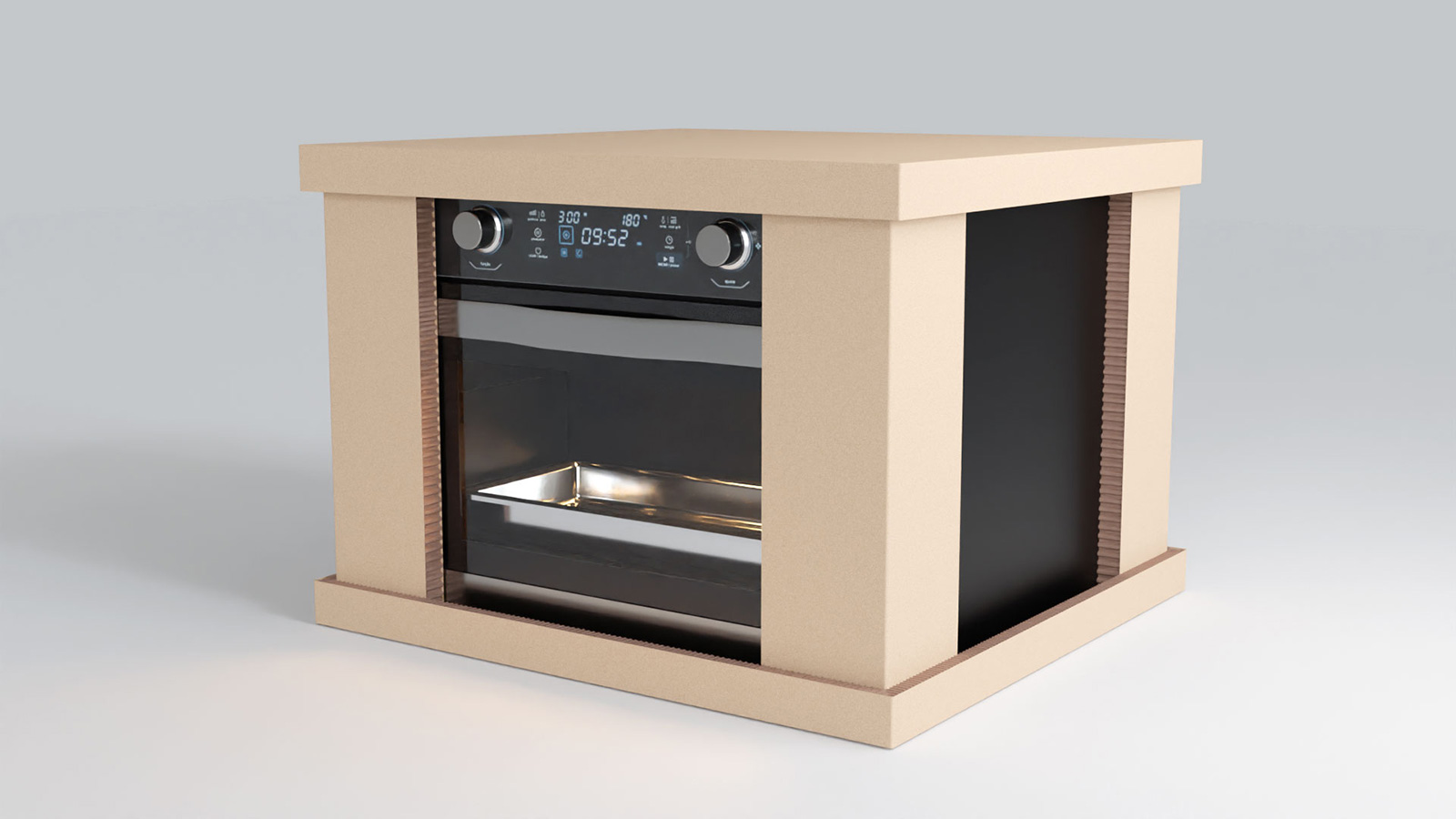
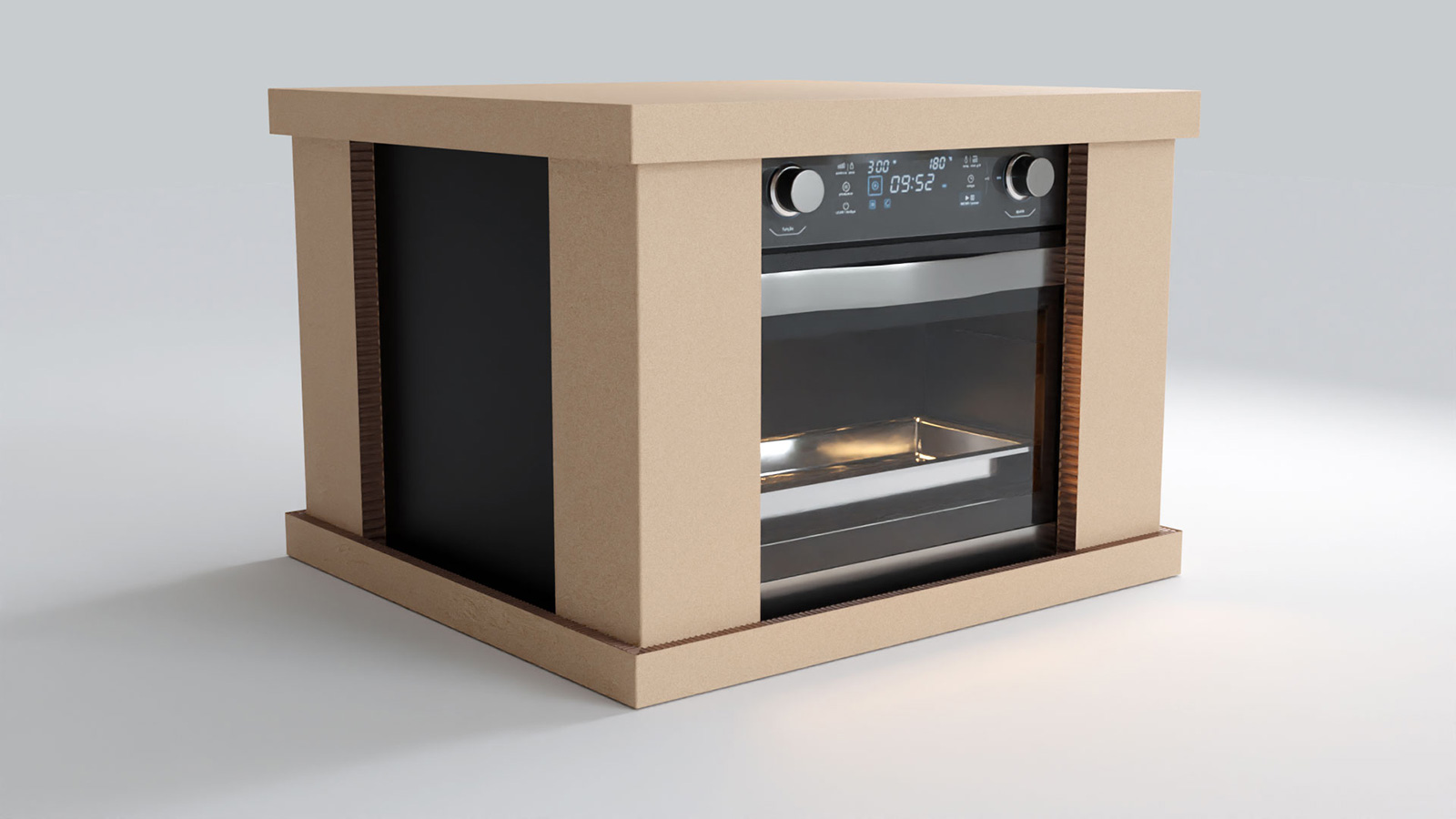
In the new search environment brought by the EPS ban, honeycomb panel emerges as a versatile alternative for packaging products in white goods and other industries. Made entirely from recycled paper, the honeycomb panel packaging provides a biodegradable option that is compatible with the principles of the circular economy, reducing the industry’s environmental footprint and supporting sustainable practices.
Let’s take a closer look at how honeycomb panel packaging replaces polystyrene material:
1. Advanced Protection: The honeycomb structure offers superior shock absorption and cushioning, ensuring safe transportation, protecting products from impact-related damage, and minimizing risks to structural integrity during delivery.
2. Customizability: Its easily shapeable structure can be customized to fit the exact dimensions of products, conforming to the shape of the item it encases.
3. Sustainability: Biodegradable, 100% recyclable, and can re-enter the supply chain.
4. Aesthetics: Eliminates visual concerns with product-specific designs.
The adoption of honeycomb panel material emerges as the most strategic choice for companies looking to maintain their presence in a dynamic market environment. Producers who want to simultaneously comply with evolving regulatory requirements and consumer expectations have been working on transitioning to honeycomb panel packaging for some time.
The EPS ban planned to take effect in France in 2025 is part of a broader strategy aimed at reducing plastic pollution, promoting sustainable practices, and shifting towards eco-friendly alternatives. With the ongoing development of the United Nations Plastic Pollution Agreement, this change is expected to spread worldwide in the coming years. As a key player in this transition, honeycomb panel material is anticipated to be widely used as an EPS alternative across all industries in the near future.
If you would like to be part of this inevitable change, you can contact us and get information about our solutions.